Logo for Stillpoint Therapy featuring a stylized wave design with the text 'STILLPOINT therapy' on a black background.
Tagline for Stillpoint Therapy

In-Person and Virtual Therapy in Tennessee

107 W. Blythe Street
Paris, TN 38242

As a small, solo practice, availability may vary. I’m open to new inquiries and appreciate your patience while I respond to each message with care!

Reach Out Here

Welcome to Stillpoint Therapy!

Healing isn’t always about striving. At Stillpoint Therapy, I honor the value of slowing down and creating space to pause. Therapy is a place where you can restore your energy, let go of what feels heavy, and find balance again. In this space, stillness isn’t weakness but strength. It’s a grounding moment where clarity returns, a gentle reset when life feels overwhelming, and a chance to breathe, reflect, and move forward at your own pace.

I offer trauma therapy, anxiety treatment, EMDR, CBT, and DBT for adults, teens, and families in Tennessee. My practice is available both in person and virtually, so you can choose the support that works best for you. Whether you’re a professional carrying too much stress, a teen or young adult navigating big transitions, or a survivor of trauma, this is a space where your story is welcome and your healing can begin!
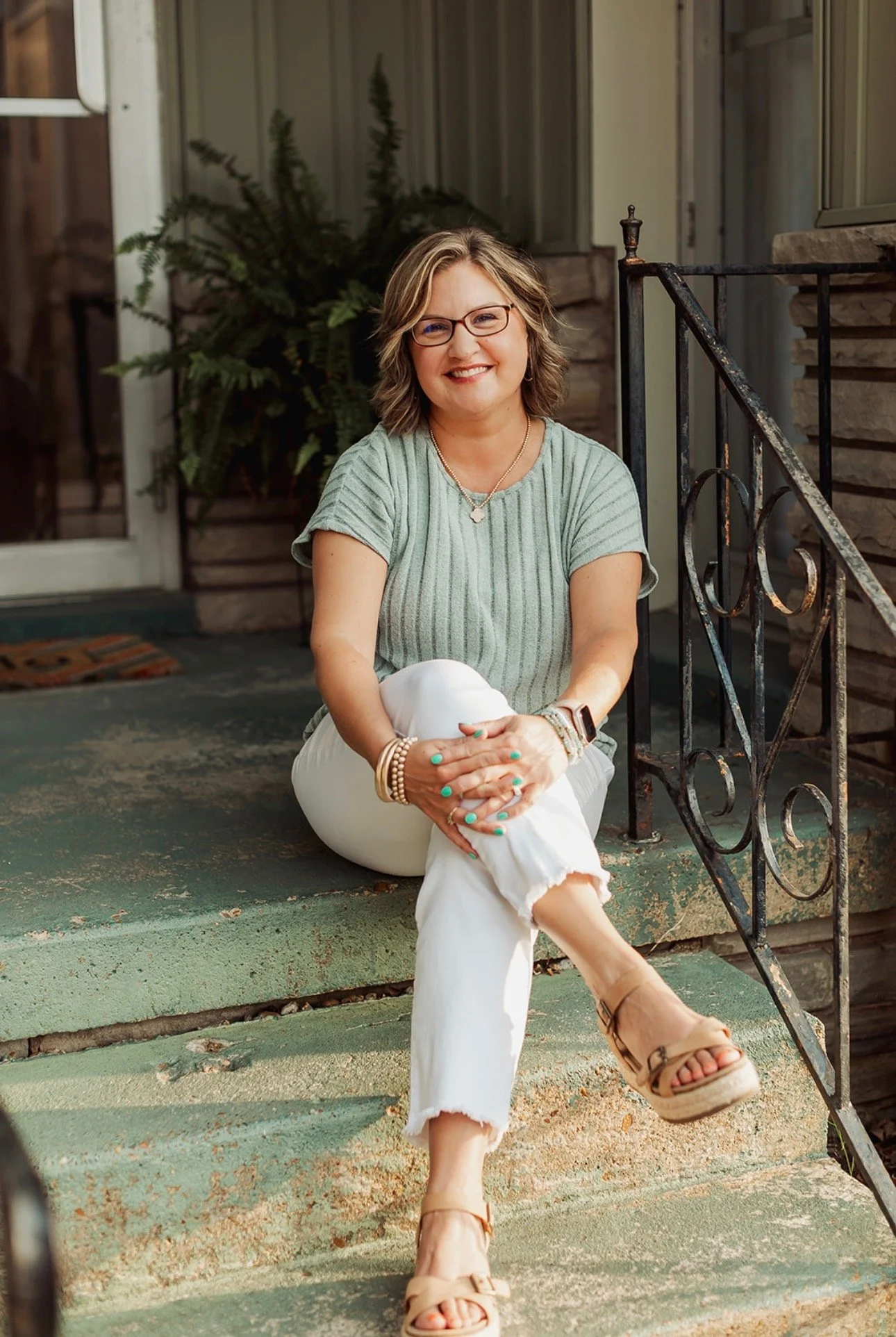
A smiling woman with glasses sitting on front porch steps, wearing a light green striped top, white pants, and tan sandals, with jewelry and a smartwatch.

Meg Fuson, LCSW, Owner of Stillpoint Therapy

My Services

Providing You a Safe Place to Recenter

Living room with blue walls, hardwood floors, a brown leather sofa with decorative pillows, a black armchair, a round wooden coffee table with tissue box and bottles, a potted plant, a side table with a lamp, and white and teal curtains over windows.
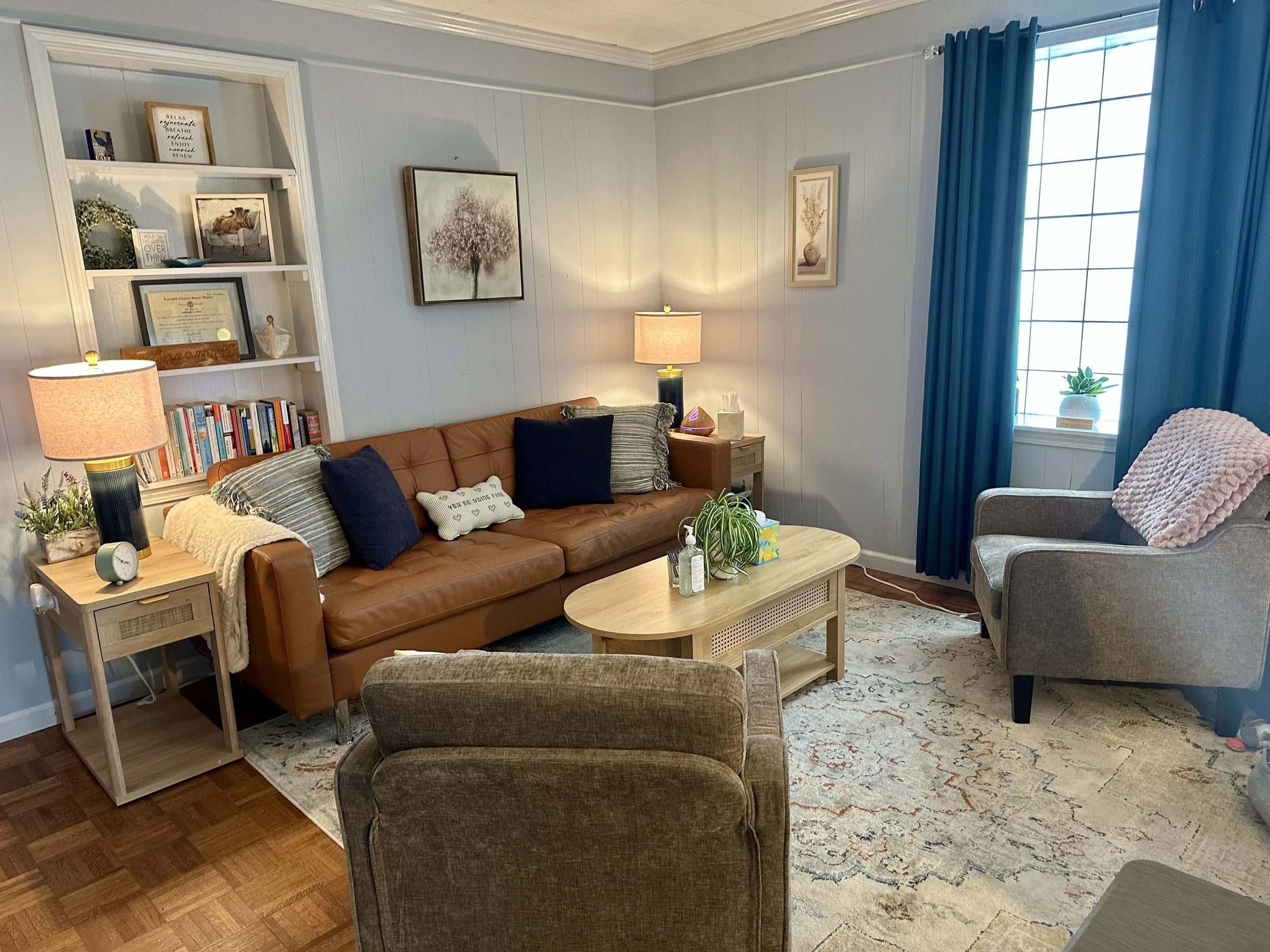
A living room with light blue walls, two tan leather sofas with assorted pillows, a round wooden coffee table, a beige area rug, a window with blue curtains, a white bookshelf with books and decorations, a framed picture of a tree, a side table with a potted plant, and a lamp.

All of your in-person sessions will take place in my calming office environment in Paris, Tennessee, with a fully private room to provide safe, supportive and individualized care.

FROM THE OFFICE

Love, Boundaries, and Emotional Well-Being

Valentine’s season often brings relationships into sharper focus. Messages about romance and connection are everywhere, which can feel comforting for some and painful or confusing for others. Whether you’re partnered, single, healing from heartbreak, or navigating complicated family or friendship dynamics, this season can stir up a lot.

It can also be a meaningful time to reflect on what healthy love truly looks and feels like.

Here are a few gentle reminders to support your emotional well-being this season:

Healthy love includes respect for boundaries.
Love is not about sacrificing your needs, silencing your feelings, or overextending yourself to keep the peace. Healthy relationships make space for both people to have limits, preferences, and emotions. If saying no feels scary or guilt-filled, that may be a sign that a relationship dynamic deserves closer attention.

Notice the difference between discomfort and harm.
All relationships have moments of tension or misunderstanding. But patterns of control, constant criticism, walking on eggshells, or feeling responsible for someone else’s emotions are not signs of healthy love. Your nervous system often knows when something doesn’t feel safe, even if your mind tries to explain it away.

Self-compassion is part of every healthy relationship.
The way you speak to yourself matters. If your inner voice is harsh, blaming, or never satisfied, it can shape the kinds of relationships you tolerate. Practicing self-compassion — offering yourself patience, kindness, and understanding — strengthens your ability to recognize and choose healthier connections.

Love should allow you to stay yourself.
In supportive relationships, you don’t have to shrink, perform, or constantly prove your worth. You’re allowed to have different opinions, take up space, rest, and grow. Healthy love supports your individuality rather than asking you to lose it.

It’s okay to ask for support.
If this season brings up questions about boundaries, relationship patterns, or self-worth, talking with a trusted friend or a mental health professional can help you sort through what you’re noticing. You don’t have to figure it out alone.

Resources to Explore

If you’d like to learn more about healthy relationships and boundaries, these resources can be a supportive place to start:

The Gottman Institute – Research-based relationship insights
Boundaries – Dr. Henry Cloud & Dr. John Townsend - A widely respected, faith-informed perspective on setting healthy emotional and relational boundaries.
Set Boundaries, Find Peace by Nedra Glover Tawwab – Practical, compassionate boundary guidance
Attached by Amir Levine & Rachel Heller – Understanding attachment styles in relationships

Valentine’s season doesn’t have to be about meeting expectations or comparing your life to others. It can be an invitation to reflect on the kind of love, from others and from yourself, that feels safe, respectful, and fulfilling!

With Care,

— Meg